Texture
Crisp, creamy, chewy—rotate one dimension per meal when possible.
Variety · Principles
We treat diversity on the plate as a compass, not a scorecard. The sections below walk through how Sydney households can experiment with ingredients and textures while keeping staples that already work.
This is educational framing only; it does not replace advice from accredited practitioners when you need individual guidance.
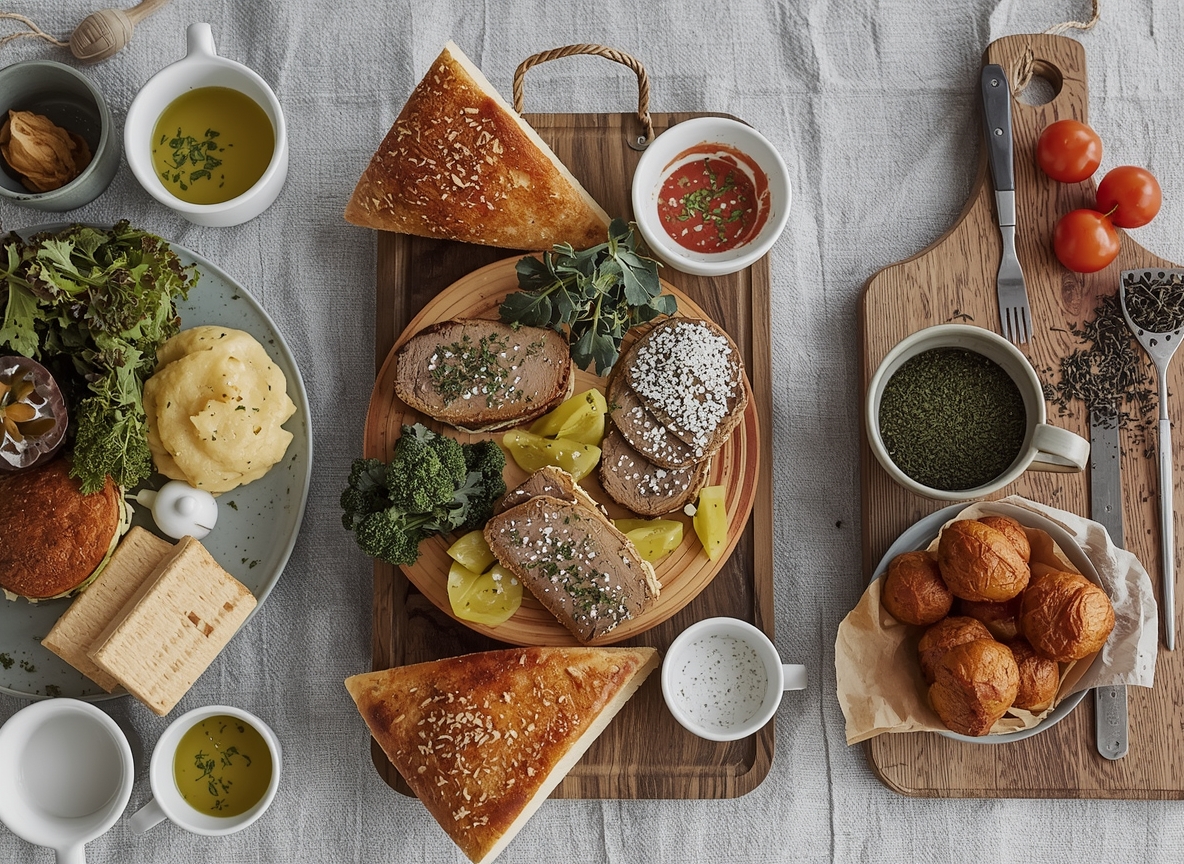
Before adding novelty, we map three anchors you already rely on—perhaps rice, eggs, and a favourite leafy green. Anchors reduce decision fatigue. Then we invite one neighbour ingredient per fortnight: a spice that pairs with your usual protein, a legume with a similar cook time to pasta, or a vegetable that fits the same roasting tray. The goal is continuity with gentle expansion, not a wholesale overhaul that collapses on a busy Thursday.
We document pairings in short tables so shopping lists stay legible. Colour codes on a fridge whiteboard can mirror those tables: amber for grains, green for herbs, blue for dairy alternatives—whatever mnemonic your household agrees on. When children participate in drawing the colour key, they often try new foods more willingly because the system feels shared rather than imposed.
Overload happens when every new ingredient demands a new technique. We match unfamiliar items with familiar methods: if you already roast chicken thighs on Wednesday, try a different root vegetable beside them before you change the protein. If you simmer lentils, keep the same aromatics the first time, then swap one cardamom pod for a bay leaf the next.
We also schedule “quiet weeks” where variety means rearranging leftovers rather than buying more. That teaches flexibility without extra spend.
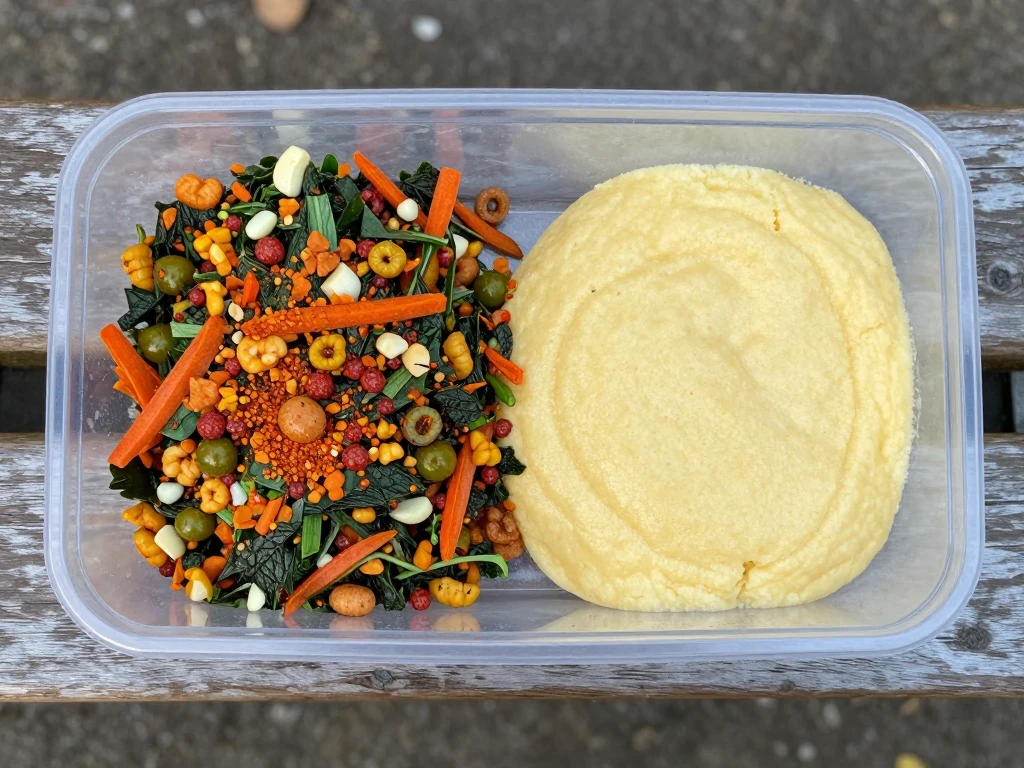
Rectangles of different proportions remind us that variety is not only botanical—it is shape and mouthfeel. A crunchy slaw beside a soft polenta offers contrast even when the spice palette stays familiar.
We encourage photographing your own bench once a month. Not for social media, but as a private record of how colour distribution shifts. Over time those photos tell a richer story than any single meal snapshot.
Crisp, creamy, chewy—rotate one dimension per meal when possible.
Pigments often hint at different plant compounds; use as a guide.
Markets, grocers, co-ops—each channel offers different seasonal peaks.
Fast Tuesday nights and slow Sunday afternoons can host different ranges.
Light mornings, hearty evenings, snack plates for adolescents—each rhythm gets its own colour note on our studio whiteboard. Clients borrow the idea for fridge magnets at home. The rhythm is descriptive, not prescriptive: it captures how energy moves through your week so you can align variety with appetite rather than against it.
Download-free prompts remain central to our workshops. List five textures you like, then five you are willing to try once. The overlap becomes your experimentation shortlist. Another sheet asks about aromas: citrus, toasted, herbal, smoky. Mapping aroma helps you shop without defaulting to the same spice jar every time.
Swap one refined carbohydrate source for a whole alternative on a day you choose together.
Introduce a new herb while keeping the same protein cut.
Batch-roast roots while simmering lentils; combine later for bowls.
We align variety ideas with the nutrition notes that matter to your household timeline. Share context in the contact form and we will respond with next steps.
Contact the studio