Nutrition · Education

Nutrition notes for steady routines

These pages summarise how we talk about food in workshops. They support general education about balance, hydration, and ingredient variety.

They do not replace personalised guidance from accredited dietitians, doctors, or other qualified clinicians. Use them as context for conversations, not as a substitute for care that addresses your specific circumstances.

Soft kitchen lighting over a calm preparation surface
Calm preparation

Light, air, and preparation

Kitchen light changes how we perceive colour on the plate. We encourage daylight prep when possible and gentle evening lighting so conversations about food stay unhurried. Bright task lighting can help when reading labels; softer light can help when the goal is enjoyment rather than analysis.

Hydration sits beside variety: water, herbal infusions, and broths each play a role depending on activity level and climate around Bondi Junction. We discuss cues like thirst and fatigue in general terms without interpreting them as signs of specific conditions.

Sound and smell matter too: a ventilated kitchen reduces lingering oil vapour; a brief moment of fresh air before eating can shift attention toward the meal in front of you.
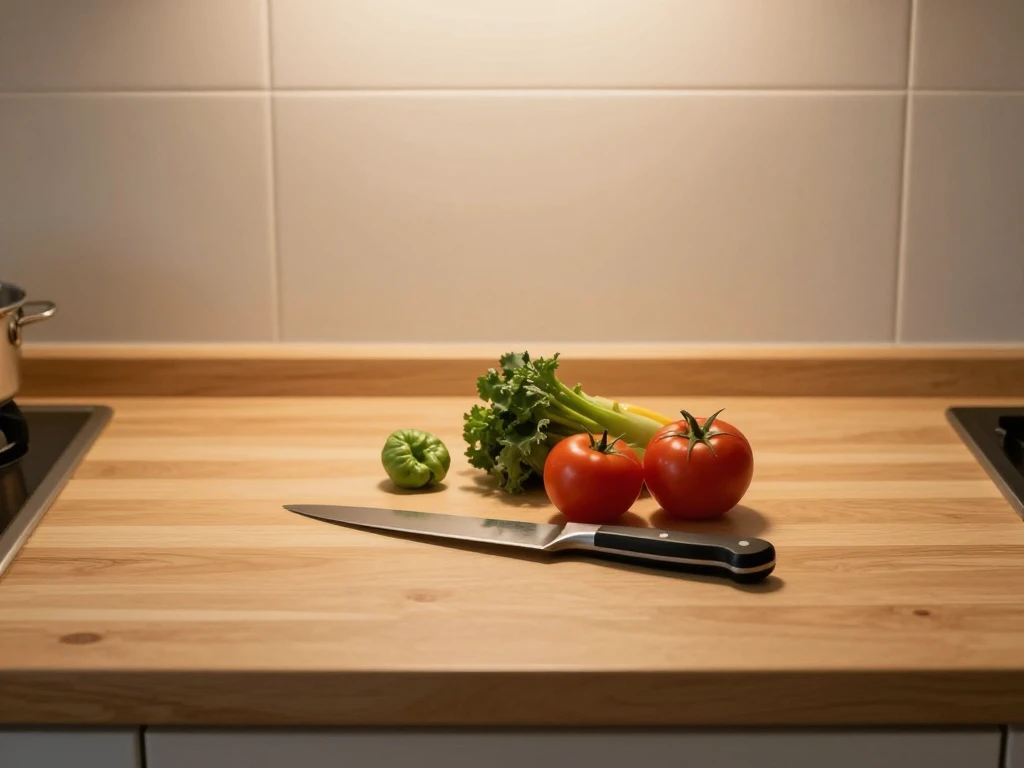
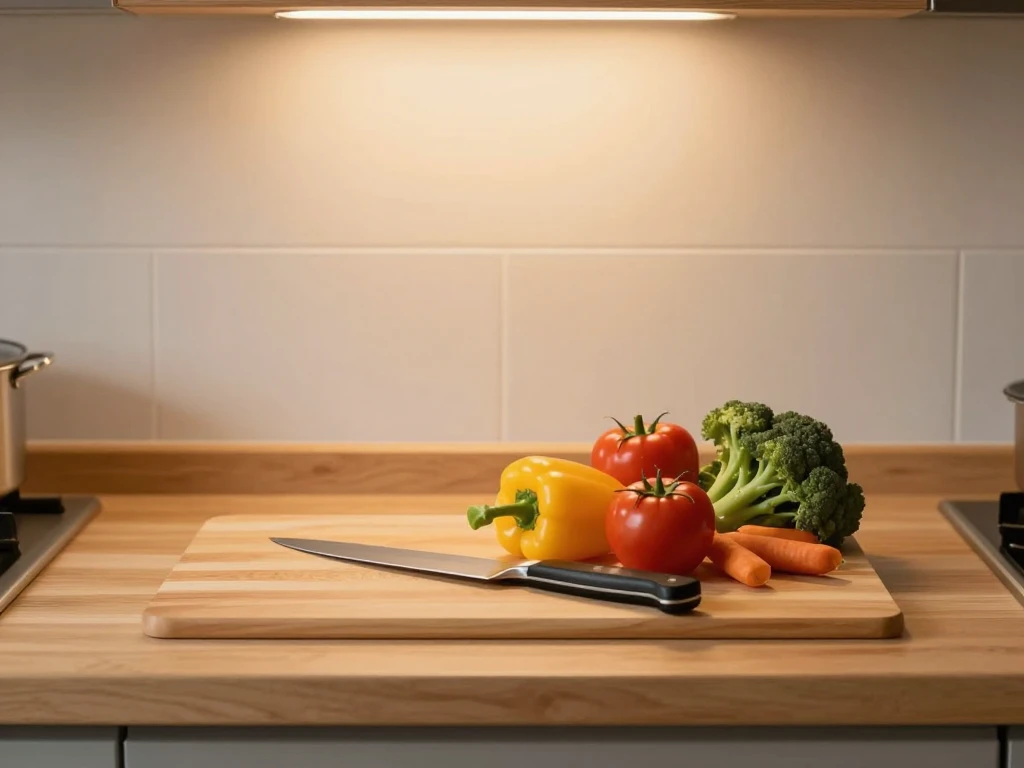
Soft kitchen lighting over a calm preparation surface
Atmosphere shapes attention; attention shapes how we notice portion balance.

Ideas we stack in sequence

01

Language for macronutrients

We describe proteins, fats, and carbohydrates as collaborators within a varied week, not rivals. That framing helps households avoid rigid exclusion unless a clinician has recommended it. Variety across days matters as much as any single plate.

02

Colour and plant diversity

Pigments often hint at different plant compounds. We use colour as a playful guide to broaden shopping lists, not as a rigid scoring system. A wider palette usually supports fibre intake, but we speak in general terms.

03

Meal spacing and energy

Intervals between meals are discussed alongside sleep and movement patterns you share. We do not prescribe fasting windows; we explore what feels sustainable for your schedule and appetite.

04

Hydration patterns

We note how beverages fit around meals and activity. Sugary drinks are discussed in neutral language focused on frequency and alternatives, without fear-based messaging.

A day described in flexible blocks

Morning

We often start with hydration and something satisfying enough to carry focus through mid-morning. The exact foods vary—cultures and preferences differ—but we look for balance across the week.

Midday

Lunch might emphasise vegetables and protein sources that fit your workplace or school context. Leftovers can be reframed with fresh herbs rather than new cooking every time.

Evening

Dinner plates often bring the household together. We talk about pacing, portion awareness, and how late eating interacts with sleep—in general terms, not as rules.

When to seek individual counsel

If you need tailored nutrition planning for health conditions, growth, pregnancy, or athletic performance, we recommend consulting a registered dietitian or other qualified clinician. Our studio remains focused on structural variety and educational framing. We can help you understand what our materials cover and how they might complement—not replace—professional care.

Ask a question about our educational scope

We clarify what our materials cover and how they intersect with your goals. Include enough context for a meaningful reply.

Write to us